Six Seconds to Pay Rent: Inside the Streaming Clip Economy That's Quietly Printing Money
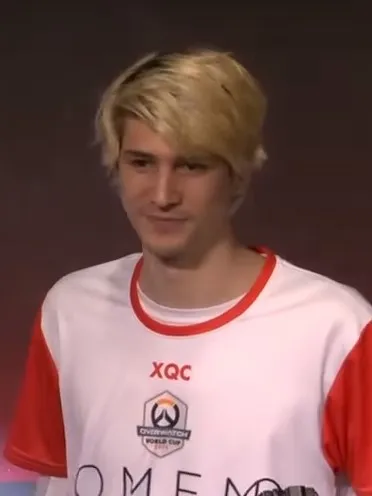
Photo: PlayOverwatch, CC BY 3.0, via Wikimedia Commons
Somewhere right now, a streamer is sitting in front of their setup — maybe 200 viewers, maybe 20,000 — and a small part of their brain isn't thinking about the game. It's thinking about the clip. The moment. The thing that will get cut, exported, posted to three platforms, and potentially watched by people who've never heard of them before.
That mental split is intentional. It's trained. And for a growing number of creators, it's become the actual job.
Welcome to the clip economy — the streaming industry's most efficient revenue engine, and the one least likely to be discussed openly on a "how I grew my channel" YouTube video.
What a Clip Actually Does for a Streamer
Let's start with the mechanics, because they're less obvious than they look.
A viral clip doesn't just get views. It functions as a distributed advertisement for the streamer's live channel. Every time someone watches a 12-second moment of a creator losing their mind over a game mechanic, there's a platform-level prompt: see more from this creator. On TikTok, that's an algorithm nudge. On YouTube Shorts, it's a suggested channel. On Twitter/X, it's a follow button sitting right there.
The conversion rate from clip viewer to live viewer is low — industry observers estimate somewhere between 1% and 4% depending on the platform and the creator's existing presence. But when a clip hits a million views, even a 2% conversion rate is 20,000 new eyeballs pointed at your stream. That's not nothing. For mid-tier creators, that's potentially life-changing.
And then there's the sponsorship angle, which is where the real money starts to compound.
Sponsors Don't Buy Streams. They Buy Moments.
Here's something most viewers don't fully clock: when a brand approaches a streamer for a deal, they're not just buying access to a live audience. They're buying the clip potential of that audience. A streamer with 5,000 average viewers but a history of generating clips that hit 500K views is, from a sponsorship math perspective, worth significantly more than a streamer with 15,000 average viewers whose content rarely escapes the live broadcast.
Managers and agents who work with mid-to-large streamers describe clip metrics as increasingly central to sponsorship negotiations. Brands want to know: how often does your content go viral? What's your average clip velocity? Do your clips have a long tail, or do they spike and die?
That last question matters more than it sounds. A clip that gets 200K views in 48 hours and then flatlines is less valuable than a clip that accumulates 400K views over three months because it keeps getting rediscovered and reshared. The latter is what sponsors call "evergreen reach" — and it commands premium rates.
The Anatomy of a Clip-Worthy Moment
So what actually makes a clip work? Creators who've studied this — and there are streamers who treat clip theory the way athletes treat game film — identify a few consistent ingredients.
Surprise with a setup. The best clips aren't just random chaos. They have a micro-narrative: something is expected, then something unexpected happens, and there's a clear emotional reaction. The reaction is often the whole point. A streamer silently clicking through menus doesn't clip. A streamer who just got one-shot by a boss they were clearly about to beat, followed by a five-second silence and then an absolutely unhinged response — that clips.
Compression. The moment has to land fast. Anything requiring more than 10-15 seconds of context before the payoff loses clip viability on short-form platforms. This is why reaction content and sudden-reversal moments dominate clip culture — they're structurally front-loaded.
Shareability across audiences. The strongest clips work for people who don't know the game, the streamer, or the context. They're emotionally legible to a general audience. Niche content can still clip, but its ceiling is lower.
Streamers Are Engineering This Deliberately
The most interesting shift in streaming over the past few years isn't the technology — it's the intentionality. A generation of creators has moved from hoping clips happen to actively designing conditions where clips are more likely to occur.
This takes a few forms. Some streamers structure their sessions around high-variance game modes — content where unpredictable outcomes are baked in. Others use challenge runs, arbitrary restrictions, or audience-participation mechanics that create natural pressure and release cycles. A few have essentially reverse-engineered their entire content format around clip-first logic, treating the live stream as a production environment for short-form content rather than the primary product itself.
That's a significant philosophical shift. The stream isn't the destination anymore. It's the factory.
The Platform Incentive Loop
Platforms aren't neutral in this dynamic — they've actively built systems that reward clip generation. Twitch's clip tool is one of the most-used features on the site. YouTube's auto-generated clips feature scans VODs for high-engagement moments. TikTok's algorithm surfaces streaming clips aggressively because they drive time-on-app.
Every major streaming and short-form video platform benefits when streamers produce clip-worthy content. The creator captures some of the revenue. The platform captures the rest — plus the attention, the data, and the advertiser spend that follows eyeballs everywhere they go.
What this creates is a feedback loop where the incentive to produce clippable content is so strong that it starts shaping what games get played, what content formats get used, and what kind of personalities succeed. Slow, methodical, atmospheric content is genuinely harder to monetize in a clip economy. High-energy, reactive, unpredictable content is structurally advantaged.
What This Means for Streaming's Future
Stream2009 has been tracking clip velocity data across platforms for a while now, and the trend lines are clear: the gap between streamers who understand clip economics and those who don't is widening. The creators at the top of the mid-tier bracket — the ones making a real living without being household names — are almost universally clip-literate.
That's not a coincidence. Six seconds of the right moment, distributed correctly, compounds over months. It's not luck. It's infrastructure.
The streamers who figured that out first are the ones paying rent with it now.