Tick, Tock, You're Dropped: The Secret Timing Engine Behind Streaming Virality
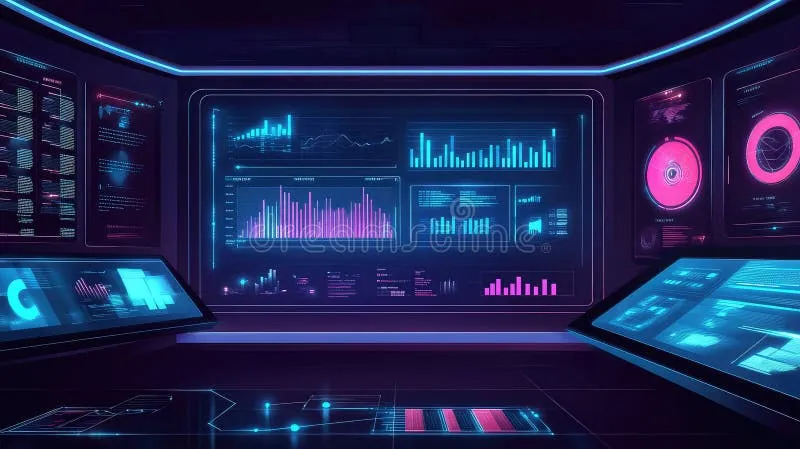
Photo: streaming platform algorithm dashboard analytics glowing screen, via thumbs.dreamstime.com
You hit "Go Live" at 7:03 PM on a Tuesday. Your buddy hits "Go Live" at 7:47 PM on that same Tuesday. You're both playing the same game, same category, roughly the same viewer count at the jump. Six hours later, he's got a clip trending on the front page and you're explaining to your Discord why tonight was "just a weird night."
It wasn't bad luck. It was the clock.
Streaming platforms have always been data machines at their core — that's basically the whole pitch of s2009mmdd.com, right? Timestamps are the foundation of everything we track here. But most people still think of recommendation algorithms as systems that respond to what you make. The uncomfortable truth is that the timestamp baked into every upload, clip, and live session carries just as much weight as the content itself. Sometimes more.
The Platform Isn't Watching Your Stream. It's Watching Your Clock.
Let's start with YouTube, because it's the most documented. Google's internal systems have been partially exposed through creator-facing analytics, third-party research, and the occasional leaked documentation. What they consistently show is that the algorithm assigns a kind of "freshness window" to new uploads — a compressed evaluation period, typically the first 24 to 48 hours, during which engagement velocity is measured against historical baseline data for your channel.
Translation: if you upload a VOD at 2 AM Eastern and your audience is mostly in the Central and Pacific time zones, you're burning through your freshness window while your viewers are asleep. The algorithm doesn't care that you had a great session. It cares that nobody clicked.
TikTok's system is arguably more aggressive. The platform reportedly uses a tiered distribution model — your video gets served to a small test pool first, and the engagement rate in that micro-window determines whether it gets pushed to a wider audience. That initial pool? It's assembled partly based on when you post relative to peak activity cycles for your specific niche. A gaming clip posted at the wrong time doesn't get a second chance. It just dies in tier one.
Twitch's Dirty Little Secret: The Live Timestamp Is Everything
Twitch operates differently from YouTube and TikTok because it's a live platform, but don't let that fool you into thinking timing matters less. If anything, it matters more — and in ways that feel almost punishing for smaller streamers.
The platform's discovery page and category rankings are heavily influenced by concurrent viewer counts, which are themselves a product of when you go live relative to your target audience's activity window. Twitch's internal data has shown that the 7–10 PM Eastern window on weeknights represents peak browsing behavior for US audiences. Go live at the start of that window and you're catching people who are actively looking for something to watch. Go live at 10:15 PM and you're competing for the tail end of that attention.
But here's the twist that makes this particularly rough for grinders: the bigger streamers know this, so they also go live in that window. Which means the category pages for popular games get flooded with high-viewer channels right when algorithmic visibility matters most. Smaller streamers get buried not because their content is worse, but because their timestamp puts them in direct competition with channels that already have algorithmic momentum.
Clip Timestamps Are a Whole Separate Game
If you thought live timing was complicated, clips add another layer entirely. On both Twitch and YouTube, the timestamp on a clip affects how it gets indexed, shared, and surfaced in search and recommendations.
Clips that get extracted and uploaded during a stream's peak concurrent window tend to get more initial shares, which feeds the algorithm's engagement signal, which increases distribution. It's a compounding loop that starts with a timestamp. Streamers who have figured this out will sometimes intentionally engineer "clip moments" — big reactions, unexpected plays, anything shareable — during the specific time window when their audience is most likely to be actively clipping and sharing.
This isn't paranoia. It's documented streamer strategy at this point. The meta around timing clip-worthy content is openly discussed in creator communities, and the creators who treat it seriously tend to outperform those who don't, even when raw talent is comparable.
So What Can Creators Actually Do?
The honest answer is: you can optimize, but you can't fully beat the system. Platforms don't publish their exact algorithmic weighting for timestamp data — partly for competitive reasons, partly because the systems are constantly being retrained.
What creators can do is treat their own analytics like a timestamp log. YouTube Studio, Twitch's dashboard, and TikTok's creator tools all surface peak audience activity windows specific to your channel. That data is gold. If your audience skews toward the Mountain and Pacific time zones, your "optimal" window shifts later than the conventional wisdom suggests.
Beyond that, consistency matters in a way that's directly tied to timestamps. Platforms reward predictable upload and go-live schedules because they can pre-load your content into recommendation slots for returning viewers. An irregular schedule isn't just hard on your audience — it actively confuses the algorithm's timing model for your channel.
The Clock Doesn't Care About Your Best Session Ever
Here's the part that stings a little. You can have the greatest stream of your career — incredible plays, hilarious moments, genuine community energy — and if the timestamp on that session puts it outside the platform's evaluation window for your niche, it might reach a fraction of the audience it deserved.
That's not a flaw in the system from the platform's perspective. It's a feature. Algorithms built around timestamp data are optimized for consistency and predictability, not for surfacing one-off brilliance. The creator who shows up at the right time, every time, will almost always outperform the creator who occasionally shows up with something extraordinary.
At Stream2009, we track these patterns because the timestamp is literally in our DNA as a platform concept. And what the data keeps showing is the same thing: the clock isn't neutral. It's the first filter everything else runs through. Start treating it that way.