Gone By Morning: The Hidden Expiration Dates Wiping Games Off Digital Shelves
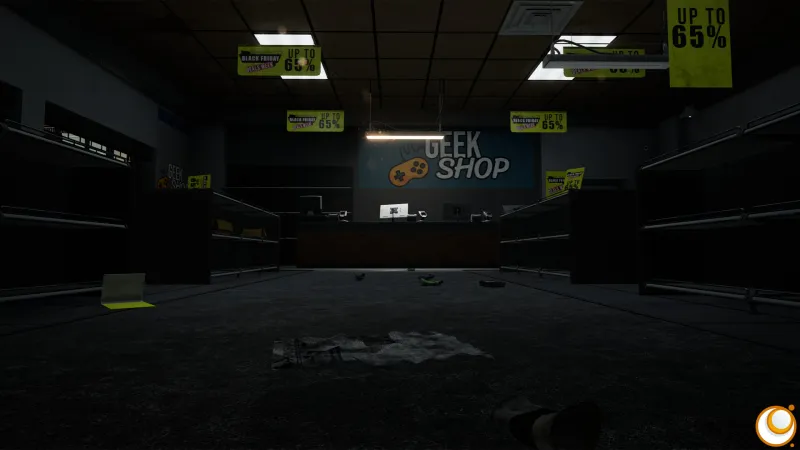
Photo: digital game storefront empty shelf abandoned video game library, via cdnb.artstation.com
You wake up on a Tuesday, fire up Steam, and search for that racing game you've been meaning to grab since 2019. Gone. No warning, no farewell sale, no final weekend. Just a gap where a storefront listing used to be. If you've been buying digital games long enough, you know this feeling. It's not a glitch. It's a timestamp — and it expired while you were sleeping.
At Stream2009, we track the clock on everything. And when it comes to digital storefronts, that clock is running on a lot of titles you probably still care about.
The License Is the Fuse
Here's the thing most players don't realize: when a developer puts a game on Steam or the PlayStation Store, the product they're actually selling is often a patchwork of licensed components. Music tracks. Real car brands. Athlete likenesses. Sports league logos. Film tie-in IP. Each one of those elements comes with a contract, and every contract has an end date.
When the license expires, the publisher faces a choice — renegotiate, which costs money, or delist the game. For smaller studios or older titles with dwindling sales, the math usually isn't close. Renegotiating a music license for a game that's pulling in four figures a month just doesn't pencil out. So the listing goes dark, sometimes overnight, sometimes with a short heads-up post buried in a forum thread nobody checks.
This is what's often called a "corporate timebomb" in preservation circles. The fuse gets lit the moment a contract is signed, and the explosion is silent — a game simply ceasing to exist on the storefront where millions of people go to buy things.
The Calendar of the Condemned
Some categories are more vulnerable than others. Sports games are probably the highest-risk segment on any platform. The annual franchise model means older entries depreciate fast in commercial terms, but the licensed content — player stats, jersey designs, stadium audio — stays locked to specific contract windows. When EA's licensing deal with a sports league shifts, entire back catalogs can go dark in a single afternoon.
Racing games with real manufacturer partnerships face the same pressure. Music-heavy titles — especially rhythm games or anything with a curated licensed soundtrack — are chronically at risk. Games built around a film or TV property follow the entertainment rights cycle, which can be especially unpredictable when studios get acquired or IP catalogs get shuffled in mergers.
Then there's the platform-specific layer. Xbox Game Pass, PlayStation Plus, and similar subscription services rotate titles on their own schedules, which is a separate but related problem. A game can still technically be purchasable while simultaneously getting yanked from the subscription library. Players often conflate the two, which muddies the public understanding of what "available" actually means in 2024.
Developers Caught in the Middle
Talk to indie developers who've shipped games featuring licensed music, and the licensing renewal conversation is almost universally described as stressful. The original deal gets done in a moment of optimism — the game is launching, the soundtrack feels perfect, the terms seem reasonable. But five years later, when the contract is up for renewal, the negotiating position has flipped. The licensor knows the developer needs them more than they need the developer.
Some studios have gotten ahead of this by quietly swapping licensed tracks for original compositions in backend updates before a delisting would force their hand. Players occasionally notice — forums will light up about a soundtrack change — but it's far preferable to losing the listing entirely. Other developers simply haven't had the resources or foresight to take that route.
The platform holders themselves don't make this easier. Steam, the PlayStation Store, and the Microsoft Store each have their own internal processes for handling delisting requests, and the communication between platform and developer about timelines isn't always clean. Developers have described finding out their game's listing was flagged for removal with less notice than they expected, leaving little time to warn their communities.
The Collectors Racing the Clock
Out in the preservation community, a loose network of digital archivists has been quietly building what amounts to a rescue operation. These aren't pirates — most of them are meticulous about the distinction between preservation and distribution. They're documenting, cataloging, and in many cases purchasing licenses to physical or digital copies before storefronts close, in hopes that the cultural record doesn't just evaporate.
Some of them run spreadsheets tracking known licensing expiration windows based on publicly available contract data, developer interviews, and forum intelligence. Others monitor storefront metadata for subtle changes — a game suddenly losing its "add to cart" button, a store page that stops updating its user review count — that tend to precede formal delisting announcements.
The Internet Archive's software preservation efforts have gotten mainstream attention, but the gaming-specific preservation community operates largely under the radar, often working through Discord servers and private databases. The urgency is real: once a game is delisted, even owners who purchased it legitimately can lose access if they're not careful about local backups, depending on the platform's DRM structure.
What You Can Actually Do
If you're a regular player who just wants to make sure you don't lose access to something you care about, the practical steps aren't complicated. Watch for delisting announcements — developers usually post them somewhere, even if the platform itself doesn't surface them prominently. Follow the studios behind your favorite older games on social media. Check community forums for the titles you care about, because player communities almost always catch these signals before mainstream outlets do.
For anything you've already purchased, understand your platform's offline access policies. Some platforms allow you to download and play purchased content indefinitely even after delisting. Others are murkier. Knowing the difference matters.
And if there's a game you've been meaning to buy — especially anything in the sports, racing, or licensed-music categories — don't assume it'll be there next month. The timestamp on that listing might already be running out. At Stream2009, we've seen enough storefronts go dark to know: the clock doesn't pause for your backlog.